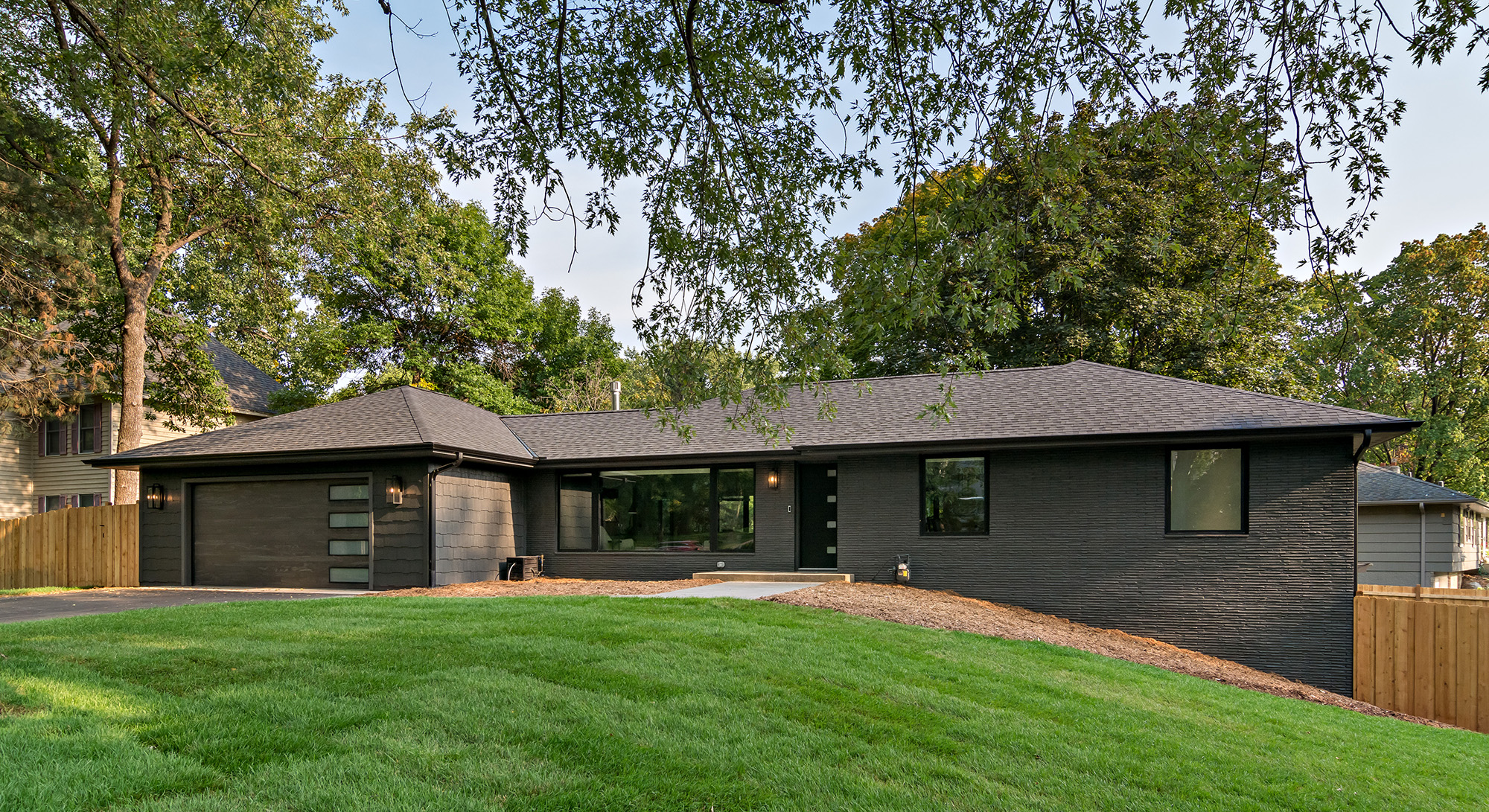
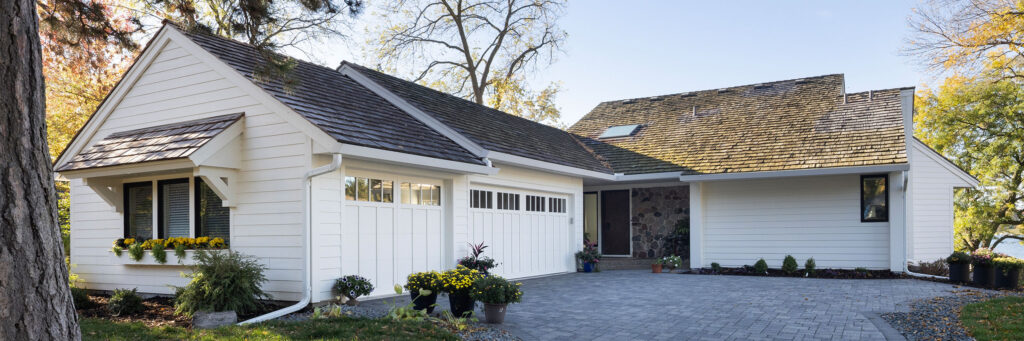
This 1950s rambler could have easily been torn down—but instead, it was thoughtfully reimagined. Boyer Building partnered with the homeowners to preserve the home’s modest footprint and solid bones while transforming it into a multi-spaced residence designed for modern living.
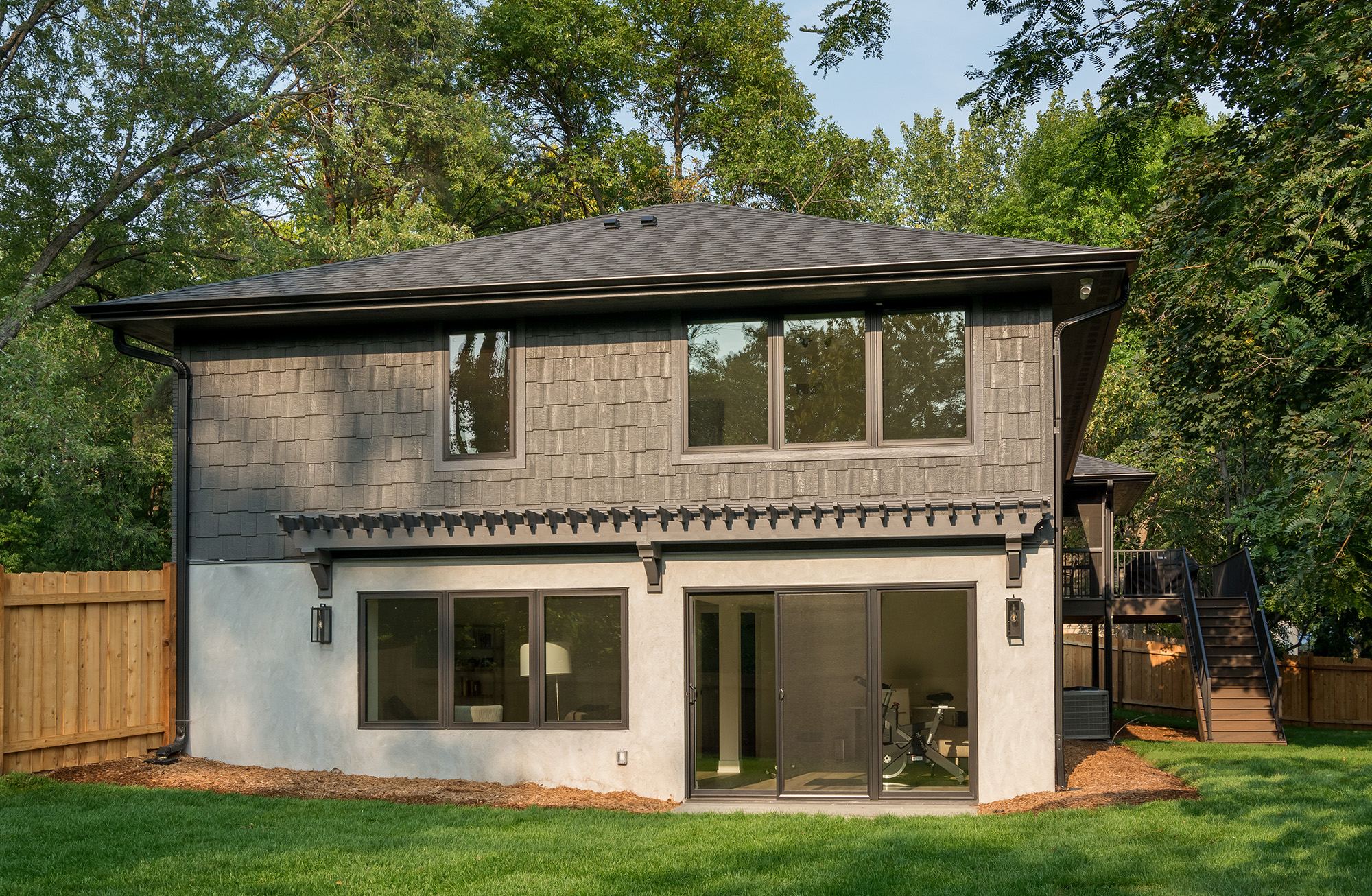
Originally built with a tuck-under garage, the home’s layout no longer supported the family’s needs. Rather than expanding outward, Boyer reworked the structure from within. The garage was relocated to the upper level, allowing the former lower-level garage to be converted into a comfortable family room. This strategic decision unlocked valuable living space and transformed an underutilized area into a welcoming hub for daily life.
Raising the ceilings on the main floor was one of the most impactful architectural changes. This adjustment dramatically altered the home’s feel, introducing volume, light, and openness while still respecting the rambler’s original character. The once-compact interior now feels airy and connected, without increasing the home’s overall size. Also, the relocation of the stairway from the middle of the house to the left of the front door, made for a better flow of incoming traffic flow into the house with openness to follow it to the remodeled lower level.
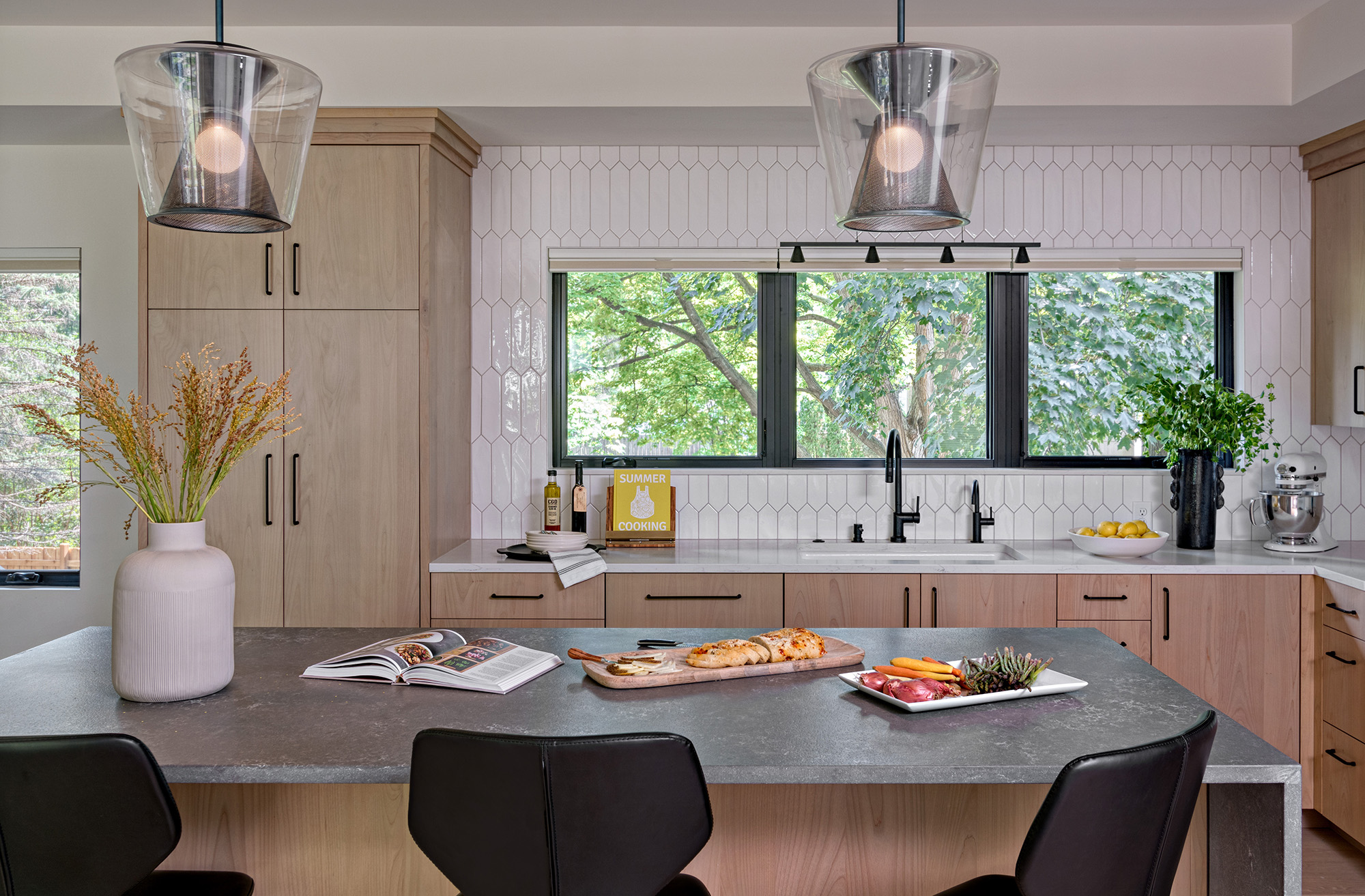
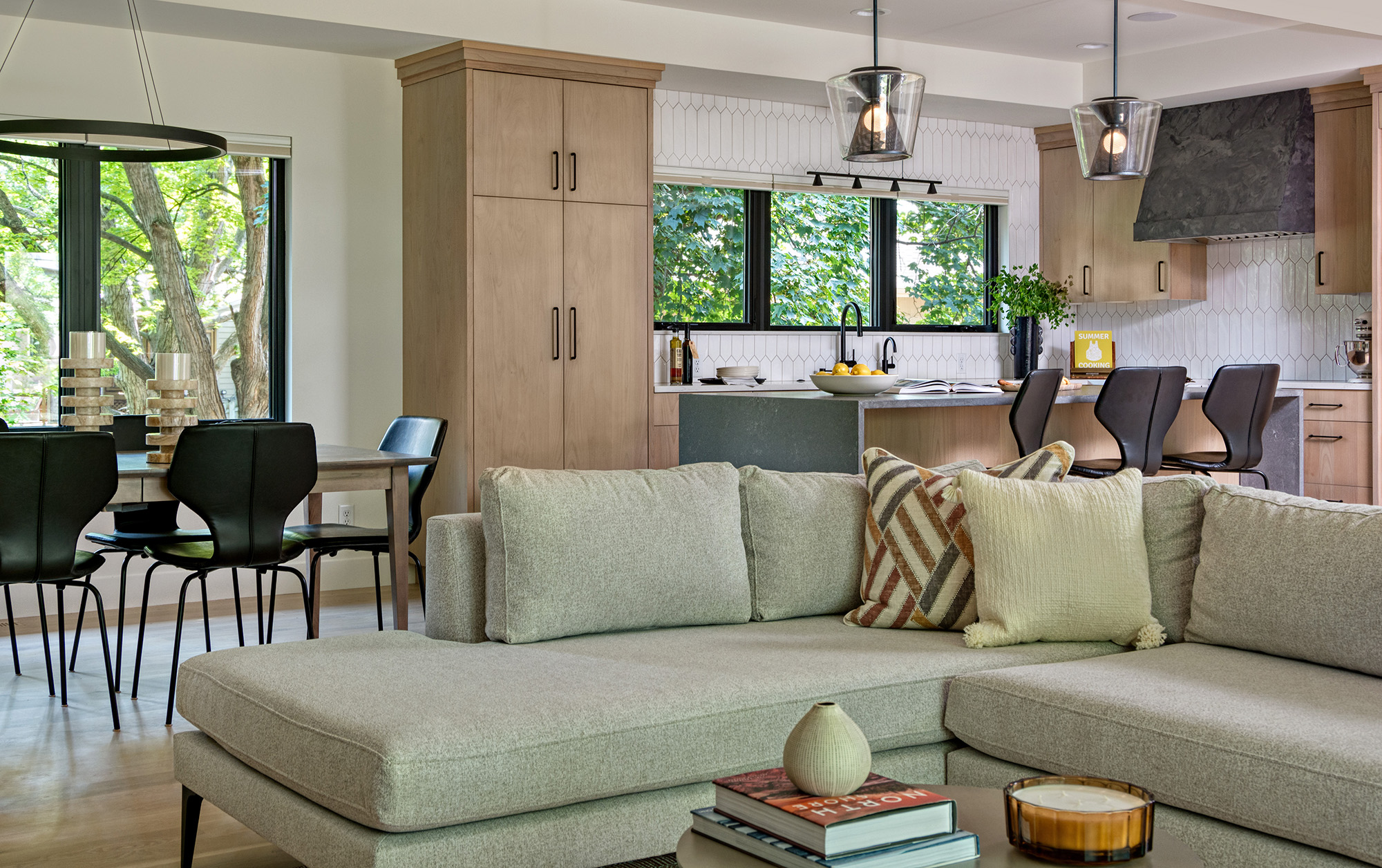
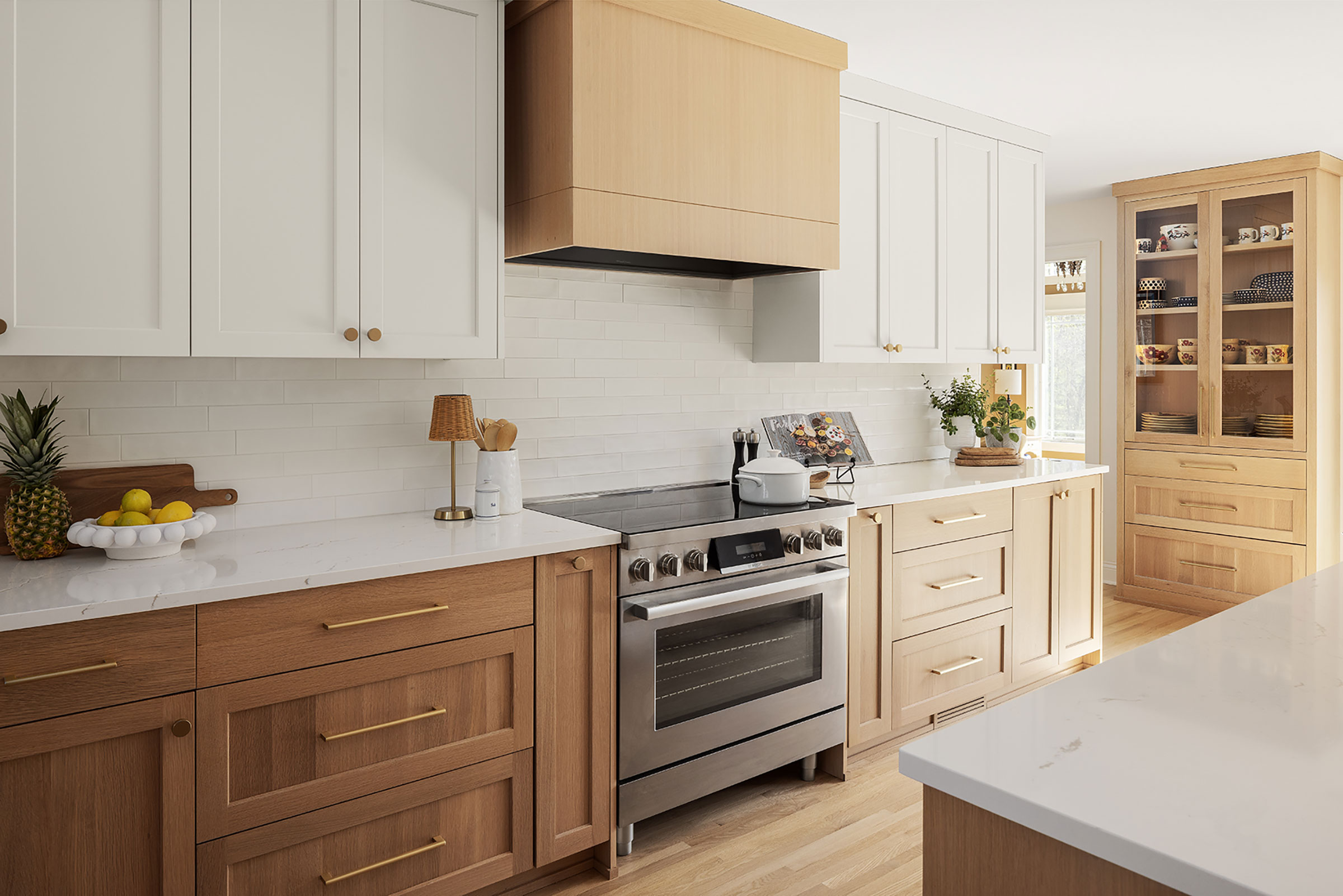
At the center of the renovation is the kitchen, designed to balance functionality with visual impact. A waterfall island anchors the space, offering ample prep and seating while serving as a sculptural focal point. Custom alder cabinetry, finished in a warm stain, brings richness and depth, complementing the home’s updated architecture. Adjacent living areas flow seamlessly, supporting both everyday routines and entertaining.
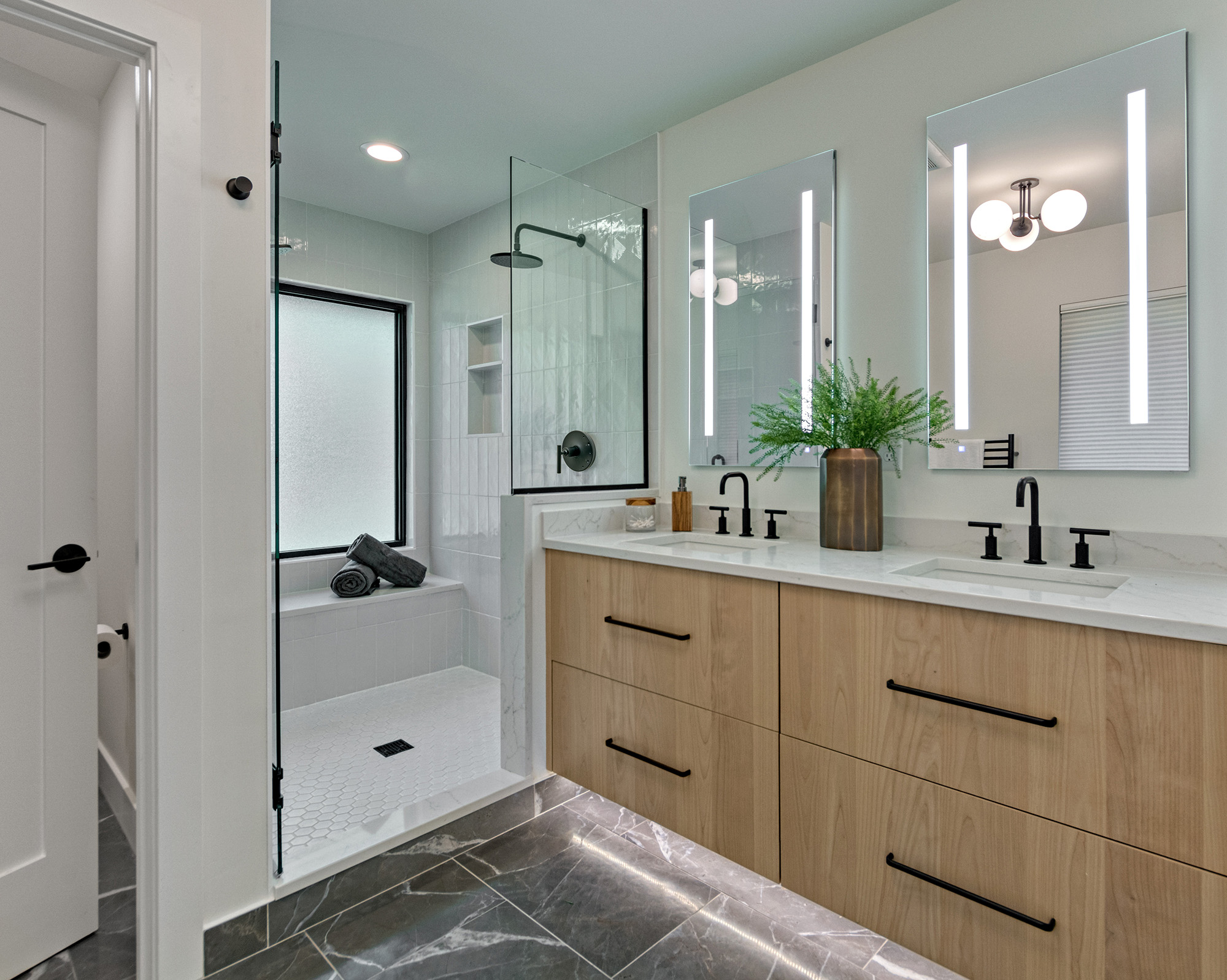
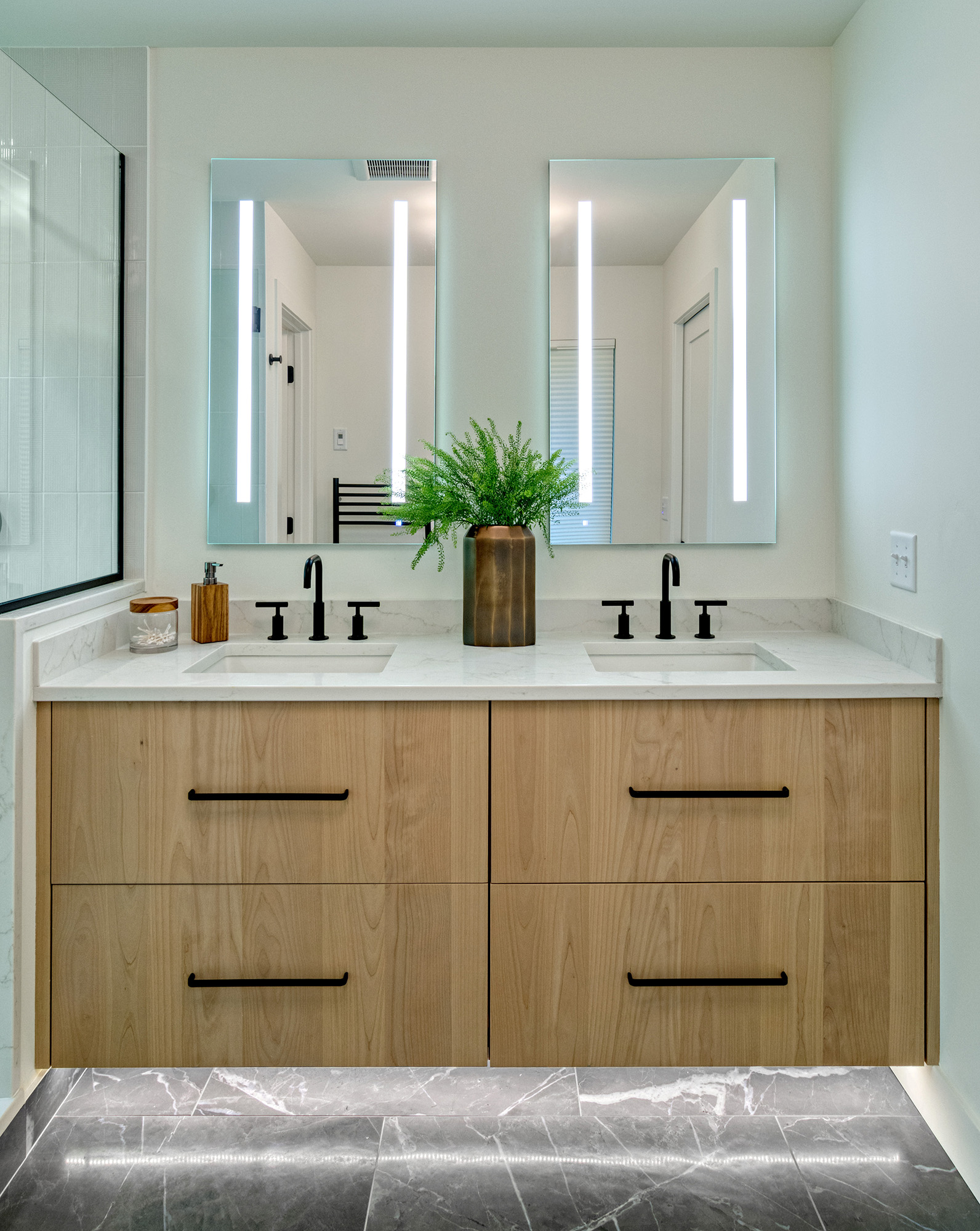
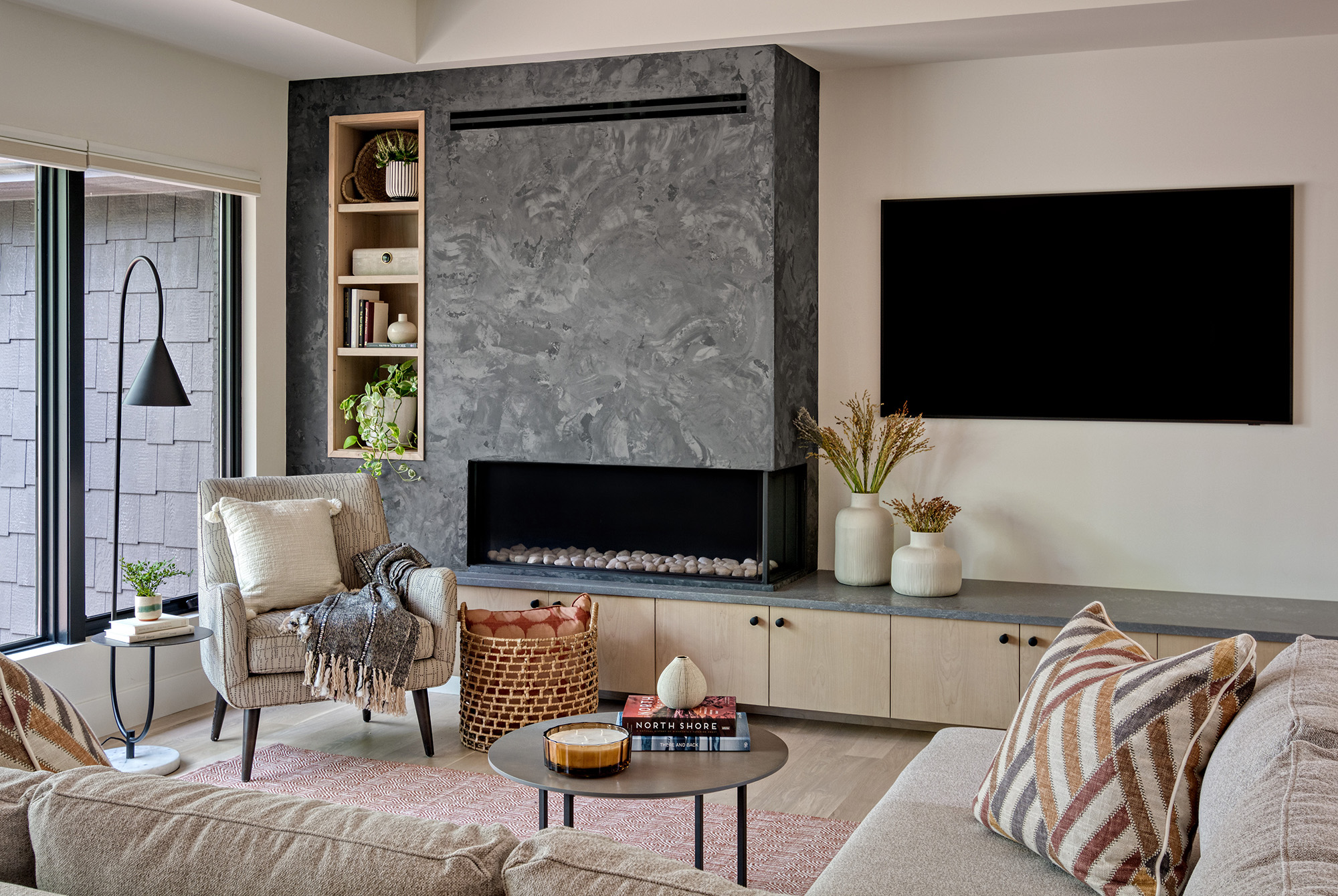
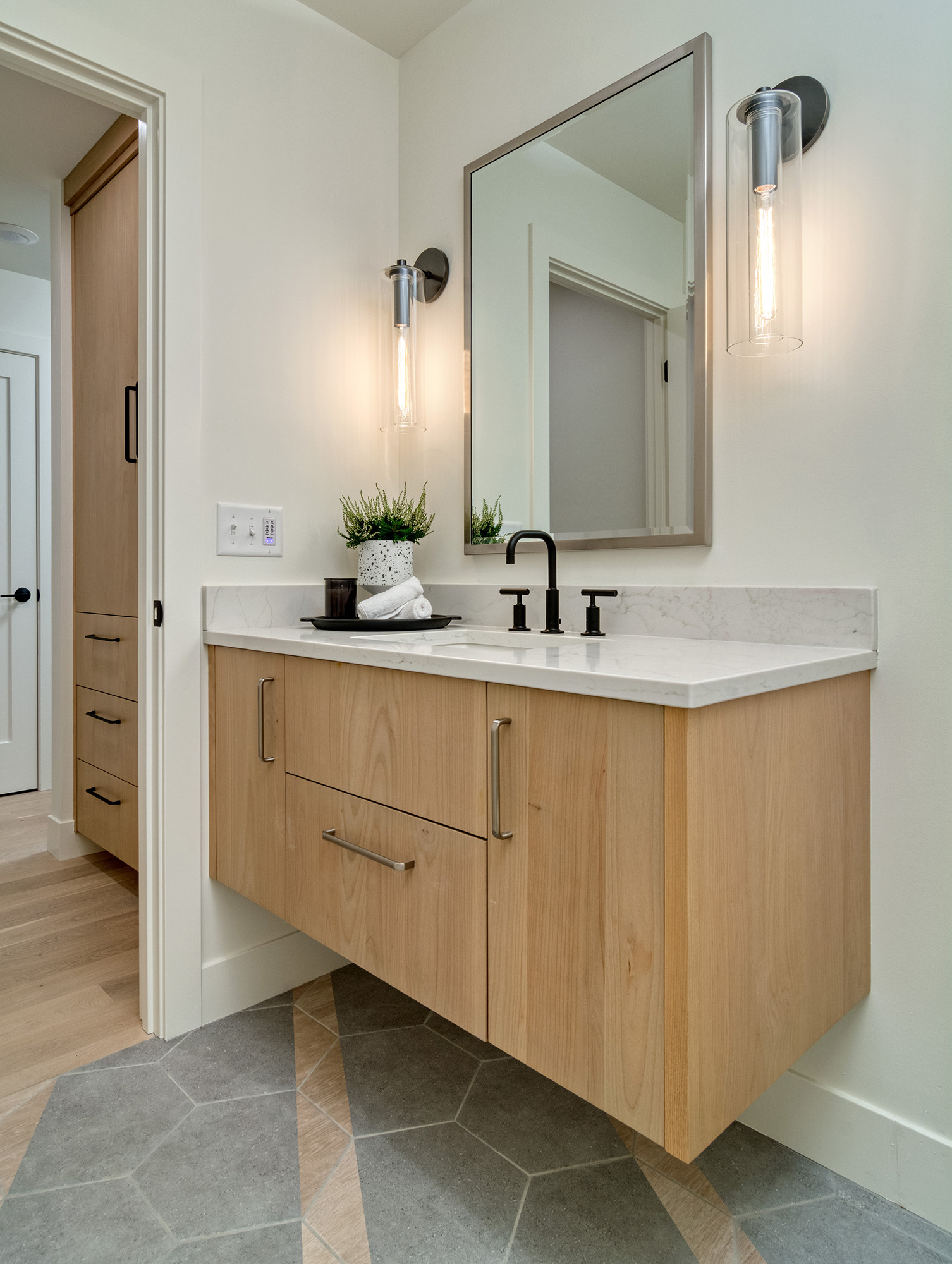
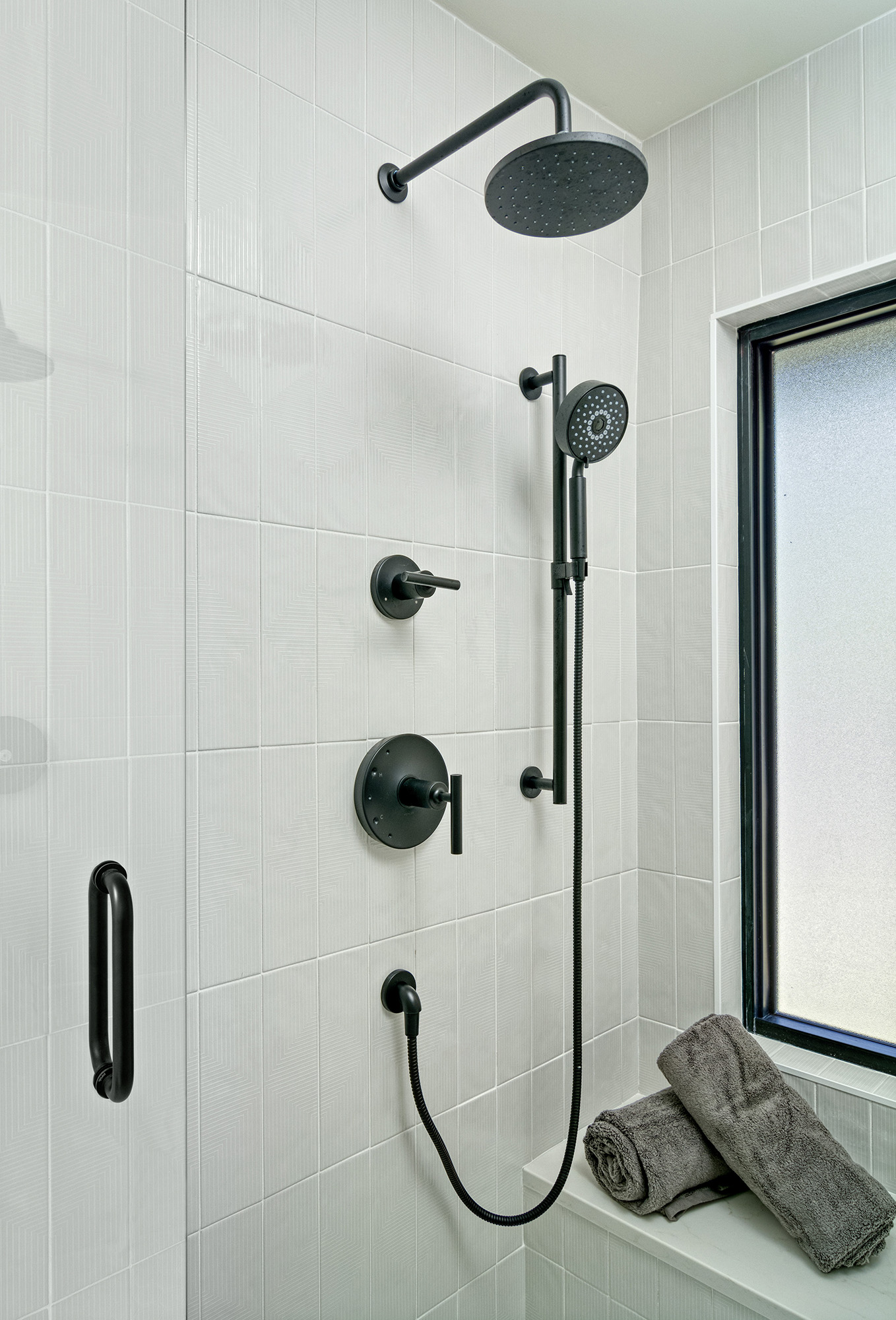
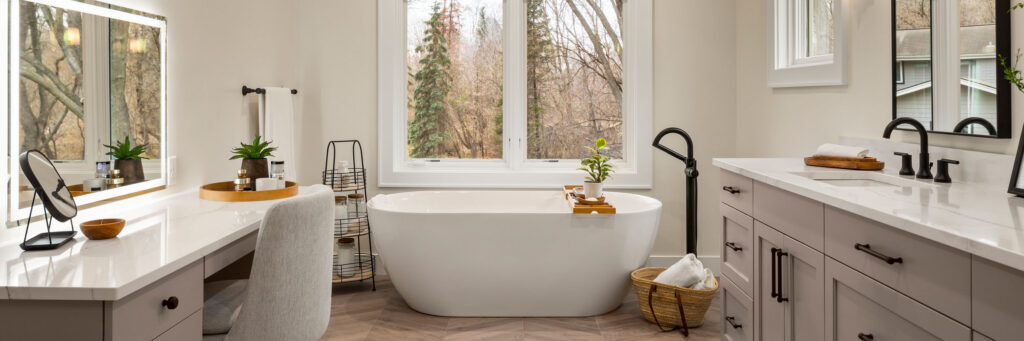
A plaster-finished fireplace face adds subtle texture and craftsmanship to the main living space, creating a refined focal point without overpowering the room. The primary bathroom was also fully remodeled, becoming a calm, private retreat with thoughtful layout and elevated finishes.
The result is a cohesive renovation that proves meaningful transformation doesn’t require a teardown—just vision, craftsmanship, and respect for the home’s original structure.
View More Whole Home Renovation Examples
Eden Prairie Everyday Living Refresh
Excelsior Townhome Main Floor Makeover
Wayzata Lakeside Elegance
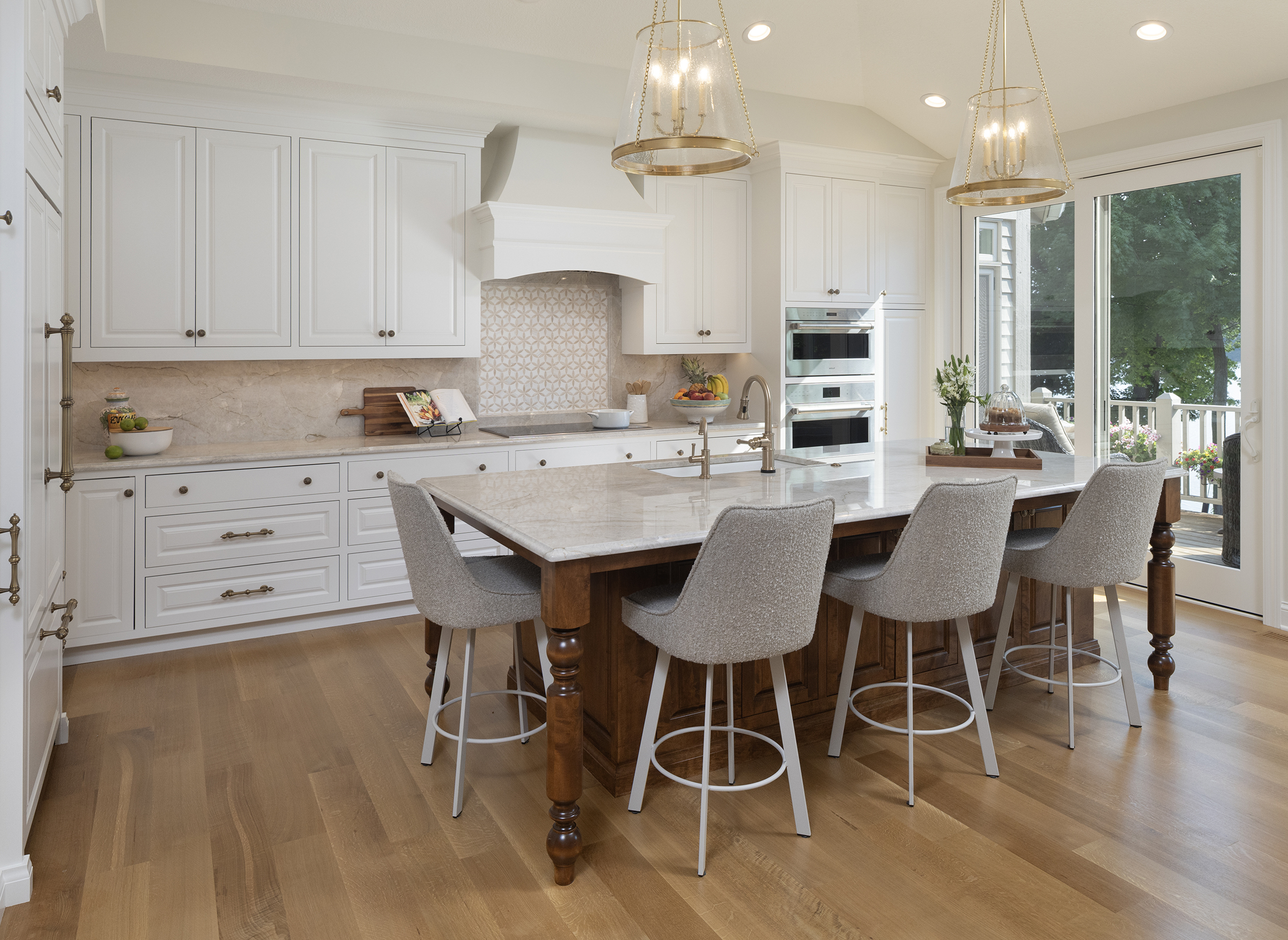
Minnetonka Timeless Transformation
Spring Lake Park Major Remodeled to Midcentury Modern Magic
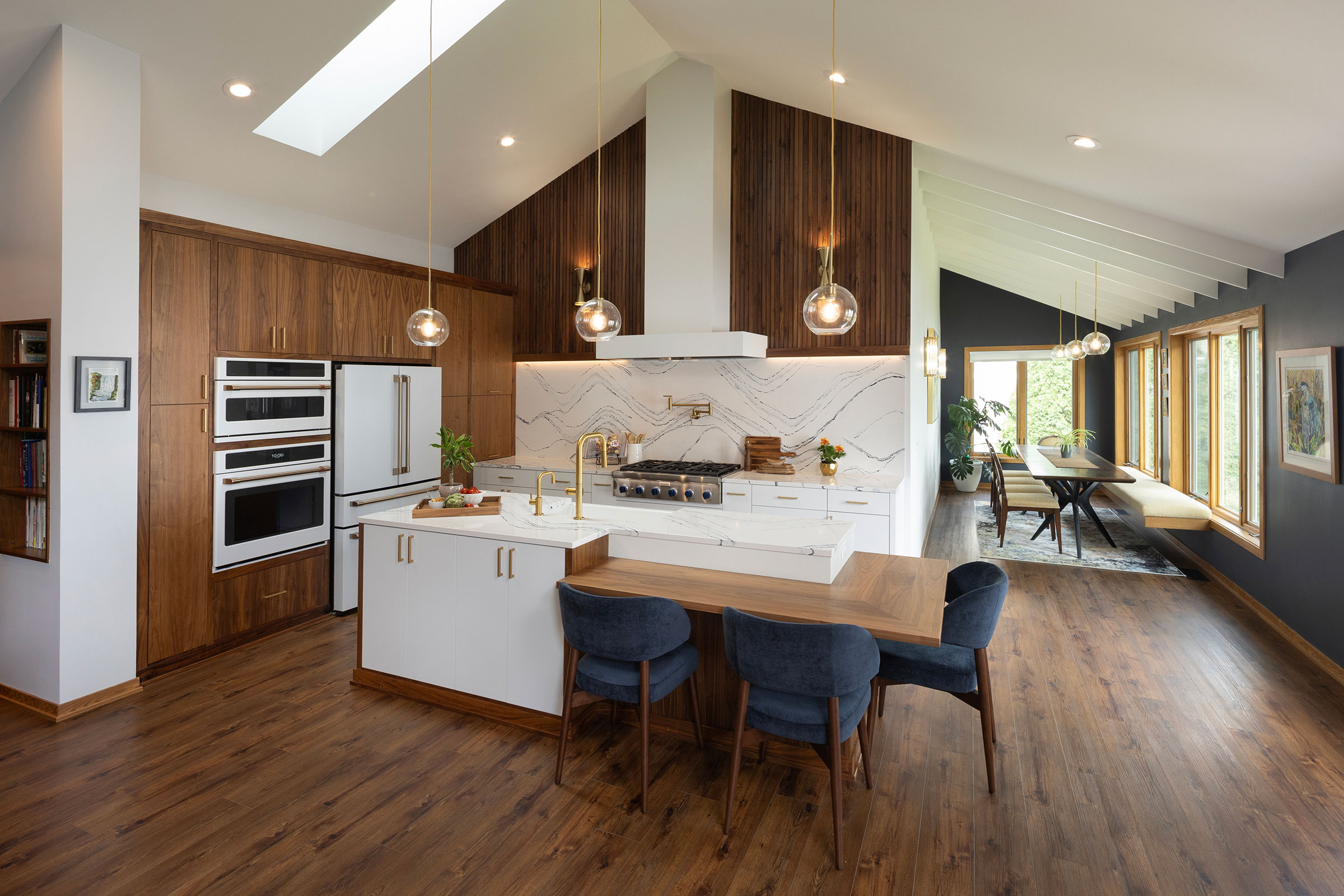
Deephaven Main Floor Remodel
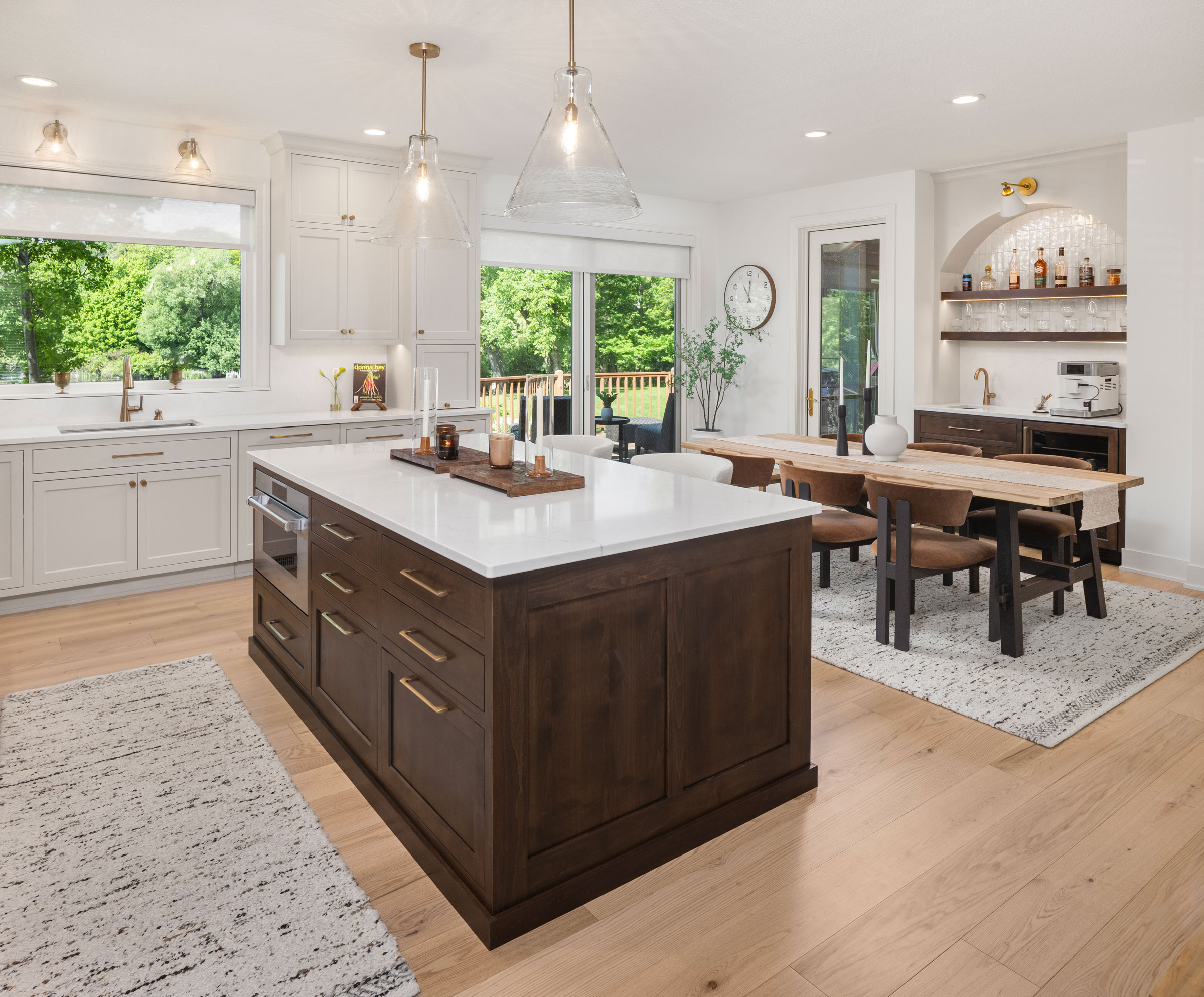
Plymouth Scandinavian Kitchen Remodel
Independence MN Main Floor Face Lift